About Lead Sheet
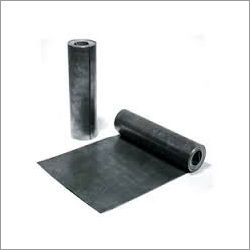
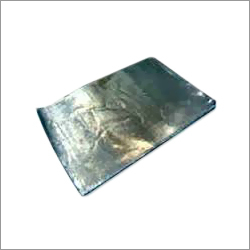
Lead Sheet is serve as many purposes like use as radiation shielding, packing as well as sealing material, ballasts and rust resistance lining. It is also a great option for building acoustic control systems as it is a highly effective and prompt barrier when used alone to the wall. The Lead Sheet can also be bonded to gypsum board and plywood. The main purpose of this Lead Sheet is to improve the noise reduction in various hospitals, schools, industrial plants, office buildings.
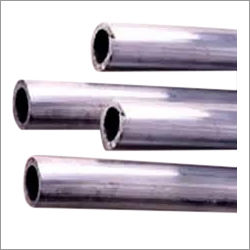
Versatile Solutions for Various IndustriesLead sheets provide reliable solutions for industrial, medical, marine, and chemical sectors. With 99.97% purity and no alloy content, they ensure maximum effectiveness in demanding applications such as radiation shielding, acoustic insulation, and chemical resistance. Their customizable dimensions make them ideal for a range of site-specific requirements.
Superior Performance and DurabilityManufactured through rolled and extruded processes, these lead sheets deliver a smooth finish, robust tensile strength (1217 MPa), and outstanding corrosion resistance. They withstand harsh environmentsmaking them a dependable choice for long-term installations and high-performance needs.
FAQs of Lead Sheet:
Q: How are lead sheets typically used in radiation protection and X-ray rooms?
A: Lead sheets, composed of 99.97% pure lead, are widely used for lining walls, doors, and partitions in X-ray rooms and medical facilities due to their high density (11.34 g/cm) and ability to absorb harmful radiation effectively.
Q: What is the manufacturing process for these lead sheets?
A: These sheets are produced using rolled and extruded methods, ensuring a uniform, smooth surface and consistent thickness throughout. This process enhances their structural integrity and makes them easy to handle and install.
Q: When should I choose a thicker lead sheet versus a thinner one for my project?
A: The required thickness depends on application. For higher radiation attenuation or soundproofing needs, thicker sheets (up to 25 mm) are preferable, while lighter projects or overlays may require thinner sheets (minimum 0.5 mm).
Q: Where can these lead sheets be installed or applied?
A: They are suitable for construction sites, hospitals, marine vessels, industrial facilities, and chemical processing plants, making them versatile for diverse environmental and structural requirements.
Q: What are the main benefits of using pure lead sheets instead of alloys?
A: Pure lead sheets (99.97% Pb) provide exceptional corrosion resistance, high density, and superior shielding properties compared to alloys, making them especially ideal for critical applications like radiation protection and chemical containment.
Q: How is the packaging and delivery of lead sheets managed?
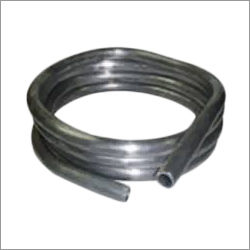
A: Lead sheets are carefully packaged in rolls or bundles according to standard safety guidelines. Deliveries are customized as per client requirements and dispatched efficiently to locations throughout India.
Q: What maintenance or care is needed after installing lead sheets?
A: Due to their excellent corrosion resistance and chemical stability, lead sheets require minimal maintenance. Periodic inspection for physical damage is recommended, especially in high-traffic or exposed locations.






 Send Inquiry


 Send Inquiry