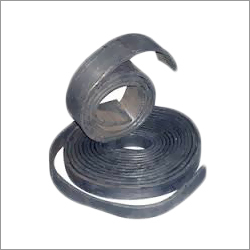
About Lead Strips
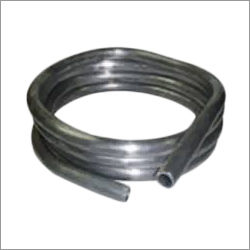
The Lead Strips offered by us is available in various sizes and lengths. Generally, the lead has an coherent back, just remove the paper and press the lead onto you glass with the help of plastic boning tool. Use these stripes to imitate the look of authentic stained glass leading. These Lead Strips work well when using flat glass but they dont stick to any textured glass, like cathedral glass. Apart from all these information, these Lead Strips are offered to our customers at very feasible rates.
Exceptional Radiation ShieldingOur lead strips are renowned for their outstanding capacity to shield against radiation in medical, industrial, and laboratory environments. The high purity and density of these strips guarantee effective absorption and attenuation of X-rays and gamma rays. Engineers and project managers can select from straight or custom edges and flexible size options, ensuring tailored protection for any sensitive area needing enhanced safety.
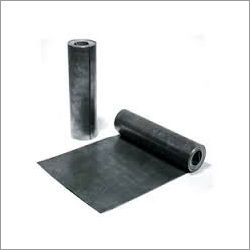
Customizable for Specialized ApplicationsWhether for waterproofing, gaskets, roofing, or soundproofing, these lead strips come in a variety of sizes, thicknesses, and configurations to perfectly match project requirements. Rolls, coils, and cut lengths enable easy incorporation into construction sites or manufacturing processes. Our production process maintains lead purity above 99.97%, ensuring reliable performance and longevity every time.
Safety and Handling PrecautionsLead strips are inherently toxic and require careful management during transport, storage, and installation. We provide detailed guidelines and recommend using protective gear to minimize exposure. Our packaging is designed to safeguard both handlers and the environment. Utilizing pure or custom alloy options, we ensure each batch passes strict quality controls before leaving our facility.
FAQs of Lead Strips:
Q: How are lead strips typically used in different industries?
A: Lead strips are widely used as radiation shielding in medical imaging rooms, for soundproofing in recording studios, as waterproofing barriers in roofs and basements, as gaskets in piping, and in various custom industrial applications requiring dense, malleable material.
Q: What is the process for customizing the dimension, thickness, or edge type of lead strips?
A: Customers may specify their required length, width, thickness (from 0.5 mm to 25 mm), and choose between straight or custom edge designs. Our manufacturing team tailors the strips accordingly and delivers them in rolls, coils, or cut lengths, as needed.
Q: When should lead strips be considered over alternative materials?
A: Lead strips should be chosen when maximum density and soft malleability are neededespecially for radiation shielding, reliable waterproofing, or sound isolationthanks to their superior performance and purity compared to alternative solutions.
Q: Where are the lead strips manufactured and distributed from?
A: We manufacture and supply these lead strips from our facilities in India, serving both domestic and international clients as a trusted distributor and exporter.
Q: What precautions are necessary for safe handling and installation of lead strips?
A: Due to the materials toxicity, handlers should use appropriate personal protective equipment, such as gloves and masks, and follow our supplied safety protocols. Proper ventilation and secure storage are also recommended to minimize health risks.
Q: What are the major benefits of using pure lead strips in roofing and waterproofing?
A: Pure lead strips provide a resilient, long-lasting seal against water ingress, are flexible for various roof shapes, and can conform to surfaces tightly, ensuring durability and superior barrier protection for years with minimal maintenance.






 Send Inquiry


 Send Inquiry